 跳到内容

Pool shape affects more than appearance. Round, rectangular and octagonal drop-stitch pools use space differently, place different demands on panels and corners, and change entry, covers, packaging and custom branding.
Buyer takeaway: Choose the shape from the use case and installation footprint before finalizing dimensions or graphics.
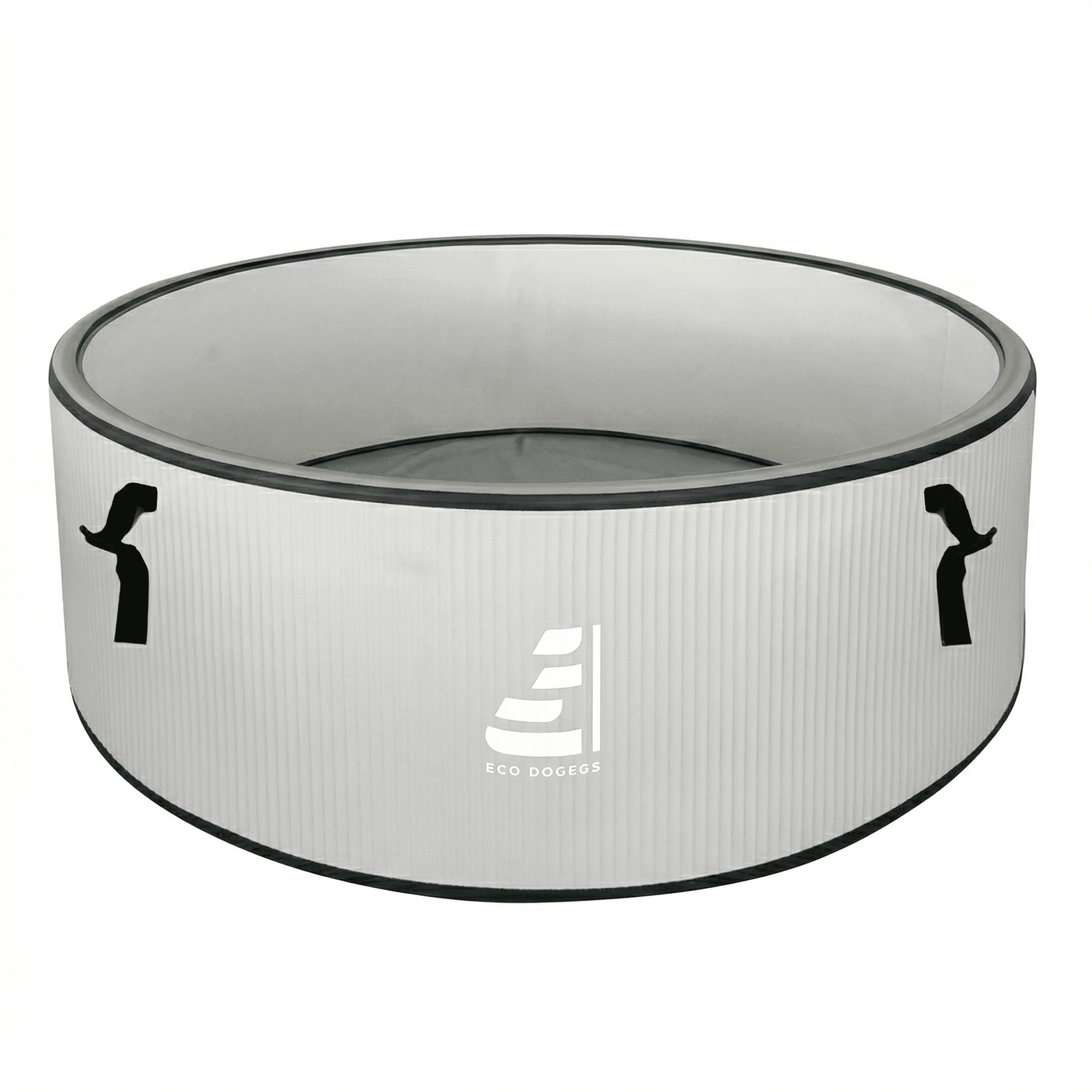
Round Drop-Stitch Pools
Round pools distribute the visual form evenly and can work well for compact plunge or social formats. Buyers should review diameter, usable interior area, entry position and how accessories attach to the curved wall.
- Balanced footprint
- No structural corners
- Curved artwork and cover considerations
Rectangular Drop-Stitch Pools
Rectangular pools use straight spaces efficiently and can align with walls, decks or commercial layouts. Corners, long panels and end loading deserve specific sample and inspection attention.
- Efficient placement
- Clear long and short sides
- More complex corner and cover details
Octagonal and Multi-Sided Formats
An octagonal format can create a distinctive appearance while using flat panels. It introduces more joints, artwork faces and dimensional checkpoints, so documentation must be precise.
- Distinctive retail presentation
- Flat branding panels
- More seams and alignment points
Compare Space, Capacity and Entry
Do not compare only outside dimensions. Ask for internal dimensions, wall thickness, usable water area, recommended fill level and entry configuration. Review how ladders, seats, drains, covers and chiller connections fit the chosen shape.
Control OEM Changes
A shape change may affect tooling, panel patterns, seams, covers, packaging and testing. Ask the supplier to list every component that changes and approve a complete sample before production.
- Drawing and revision control
- Accessory interface confirmation
- Artwork panel map
- Packing and carton trial
RFQ Checklist
- Approved dimensions, tolerances, materials and color references
- Valve, handle, D-ring, seam and reinforcement specifications
- Accessory list, packaging layout, carton marks and spare-part policy
- Sample approval record and the method used to control production changes
- Inspection points, acceptance criteria and evidence required before shipment
Frequently Asked Questions
Which pool shape uses space most efficiently?
Rectangular formats often align well with straight spaces, while the best choice depends on internal usable area and access.
Is a round pool easier to manufacture?
It may have fewer corner details, but quality still depends on panel accuracy, seams, fittings and process control.
Can one cover fit several shapes?
Usually not reliably. Treat the cover as a shape- and dimension-specific component.
Choose a Pool Shape for Your Application
Tell us the installation footprint, intended users, water depth, entry method and required accessories. We can compare the practical implications of round, rectangular and multi-sided formats before a custom drawing or sample is approved. Browse the drop-stitch pool range or discuss a custom pool format.
