 跳到内容

A modular inflatable floating dock should be designed as a connected system. The layout must control traffic flow, module orientation, gaps, load transfer, anchoring and emergency access—not only the dimensions of each platform.
Buyer takeaway: Draw the operating layout first, then specify modules and connectors around the real movement of people and equipment.
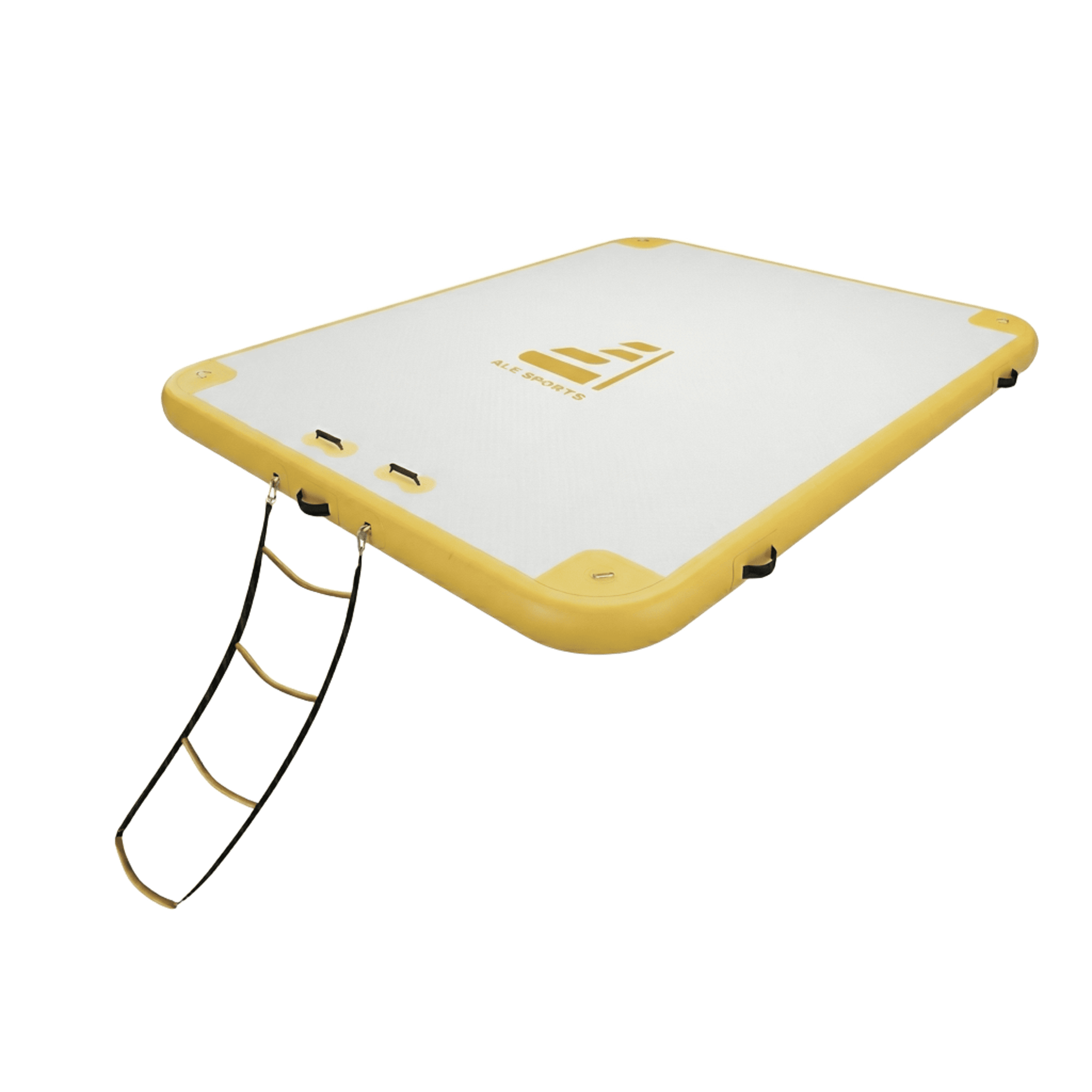
Map the User Flow
Identify entry and exit points, waiting areas, crossing paths, equipment zones and restricted edges. Resorts, events, marinas and work applications require different flow and supervision.
- Straight access walkway
- T- or L-shaped transfer layout
- Central platform with branches
- Event or activity circuit
Choose a Small Module Family
Too many unique modules increase inventory and replacement complexity. Build layouts from a limited set of standard platforms, walkways, corners and access modules whenever possible.
- Standard deck module
- Narrow walkway
- Corner or junction module
- Ladder or boarding module
Engineer the Connections
Connections must control alignment and gaps while accommodating movement. Specify connector type, quantity, spacing, material, installation method and inspection criteria for every joint.
Plan Anchoring and Environmental Limits
The layout is only as reliable as its anchoring plan and operating limits. Document the intended water environment and require qualified local review where site conditions demand it.
- Tether and anchor locations
- Permitted wind, wave and current conditions
- Shore or vessel interface
- Closure and evacuation procedure
Review Load Distribution and Free Edges
Traffic can concentrate loads at junctions and boarding points. Evaluate the assembled layout, not just individual modules, and keep clear guidance for occupancy and equipment placement.
- Distributed and concentrated loads
- Junction behavior
- Edge visibility and handholds
- Ladder and equipment reinforcement
Make Inspection and Replacement Practical
Commercial operators need a simple pre-use inspection, connector replacement method and module identification system. Standard parts and clear records reduce downtime.
- Numbered modules and layout drawing
- Connector and D-ring inspection
- Spare hardware list
- Cleaning, drying and storage routine
RFQ Checklist
- Approved dimensions, tolerances, materials and color references
- Valve, handle, D-ring, seam and reinforcement specifications
- Accessory list, packaging layout, carton marks and spare-part policy
- Sample approval record and the method used to control production changes
- Inspection points, acceptance criteria and evidence required before shipment
Frequently Asked Questions
Can different dock models be connected?
Only when dimensions, connection spacing, hardware and load transfer are confirmed as compatible.
What is the main layout risk?
Uncontrolled gaps, poorly defined anchoring and concentrated traffic at junctions are common system-level risks.
Should the complete layout be sampled?
For commercial projects, assemble and review the representative layout or at least the highest-risk junction before release.
Turn Your Dock Layout into a Project Brief
Send us a sketch showing the shoreline or vessel interface, traffic flow, module sizes, access points and expected operating conditions. ALS Leisure can review the module family, connections and high-risk junctions before sampling. Explore our floating dock options or submit your layout for review.
