 跳到内容
跳到内容 
Use an inflatable product packing checklist to reduce missing-accessory and packaging claims by controlling the complete pack-out as one versioned product configuration. Use an approved item list and reference pack, organize the packing station around that list, verify contents before carton closure, compare measured carton data with an approved baseline, identify every carton by SKU and revision, and feed claim records back into the packing process. Product inspection alone cannot confirm that the customer will receive the right pump, adapter, fin, seat, hose, cover, repair item, instruction set, and carton.
This operational quality guide is for e-commerce brands, retailers, warehouse teams, and after-sales teams managing inflatable SUPs, kayaks, water floats, ice baths, Air Tracks, and related products. It focuses on accessory and packaging errors. It does not replace complete product-quality inspection, transportation engineering, dangerous-goods review, customs advice, or destination-market packaging and labeling requirements.
Use an Inflatable Product Packing Checklist for Every SKU
A finished inflatable product and its accessories should not be managed as separate informal lists. The saleable SKU is the complete approved configuration inside the carton.
Its controlled pack-out record should identify:
- Product SKU, model, color, and revision
- Main inflatable unit and any removable product components
- Included accessories with item numbers, descriptions, and quantities
- Approved alternatives and the conditions for using them
- Bags, inserts, internal protection, and retail or shipping carton
- Instructions, warnings, care documents, labels, and barcodes
- Intended sales and fulfillment channel
- Pack-out approval owner and effective date
Avoid terms such as “standard accessories” or “complete set.” A pump may look correct but use the wrong adapter. A kayak seat may fit one revision and not another. A cover, drain hose, repair material, or electrical accessory may change the documentation and package even when the primary inflatable product remains unchanged.
Build One Approved Pack-Out Master
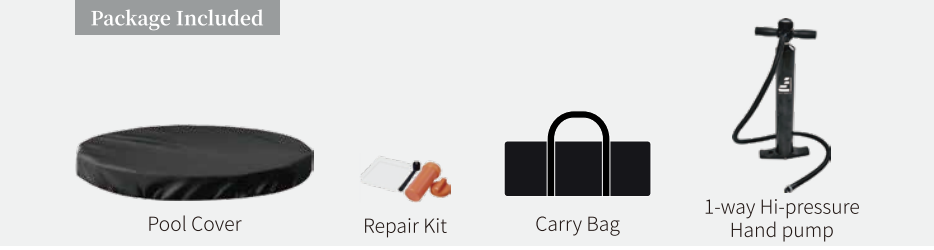
Create a master record that connects four types of evidence:
- Pack-out list: Every required item, quantity, part reference, and approved alternative.
- Visual reference: Photographs or diagrams showing the identity and expected appearance of each item.
- Packing sequence: The order and position used to protect, count, and place the product and accessories.
- Closed-carton baseline: The approved sample’s measured packed dimensions and weight, carton identity, and label positions.
The master should have a revision number. A product artwork change does not automatically approve a new pump, bag, manual, or carton. When any component changes, record which documents, packing steps, measured data, labels, and customer-facing information require review.
The ALS Quality Assurance service describes broader material and finished-product checks. Pack-out control should sit alongside those checks as a separate release gate because a functionally acceptable product can still become an incomplete customer order.
Separate Similar Components Before Packing
Many missing-item claims begin as identification errors rather than deliberate omissions. Similar pumps, adapters, fins, seats, hoses, caps, straps, covers, and repair packs can be mixed when they share bins or generic labels.
At the packing station:
- Assign a controlled item number to each component and revision
- Separate visually similar or incompatible parts
- Use clear bin labels and a defined replenishment process
- Mark approved alternatives so operators do not improvise substitutions
- Keep incomplete, damaged, unidentified, and obsolete parts in quarantine
- Reconcile returned or reworked accessories before they re-enter available stock
Color alone is a weak identity control. Where practical, use the item number, component label, packaging identity, physical interface, or another approved distinguishing feature. If two parts cannot be distinguished reliably at the station, improve the identification method before increasing inspection effort.
Design the Packing Station Around the Sequence
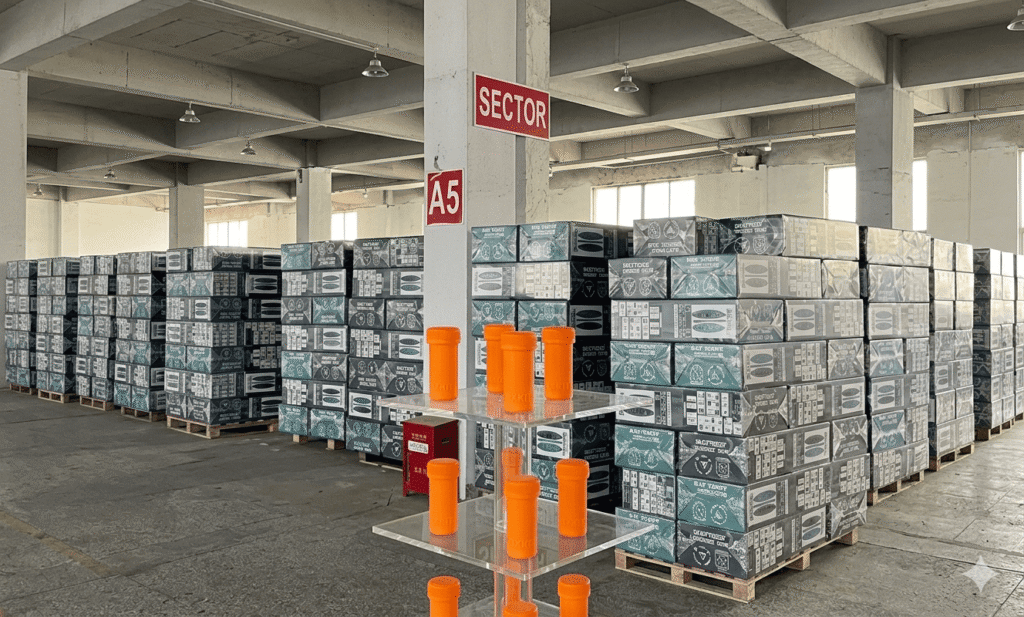
The workstation should make the correct sequence easy to follow and exceptions visible. Arrange components in pack-out order, not merely by warehouse convenience.
A practical sequence is:
- Confirm the work order, SKU, revision, and approved pack-out master.
- Verify the primary product identity and inspection-release status.
- Stage every required accessory in a defined counting area.
- Check component identities, quantities, and approved alternatives.
- Place accessories and documents in their specified protective positions.
- Fold and pack the main product using the approved sequence.
- Complete the pre-closure contents check.
- Close, measure, weigh, label, and release the carton.
Do not rely on memory for high-variation product families. A single station may pack a SUP kit, kayak package, ice bath, and Air Track, but each SKU needs its own controlled instruction. Shared steps can use one standard method; unique items and positions must remain visible in the SKU record.
Use a Pre-Closure Verification Gate

The last useful moment to correct a missing accessory is before the carton is sealed. Define a pre-closure gate with an accountable operator or verifier.
The gate should confirm:
- Correct main product, color, and revision
- Every required accessory and quantity
- Correct adapter, connector, fin, seat, hose, cover, or other interface-dependent part
- Correct language and revision of instructions and warnings
- Required labels, barcode, and traceability information
- Internal protection and accessory placement
- No unapproved or unrelated item in the package
Verification may use a signed list, barcode or QR scan, photograph, digital station record, or another buyer-approved method. The method should match the error risk and available system; do not add a technology step that cannot identify the actual component revision.
For high-variation packs, a photograph before closure can help investigate later claims, but it should be structured. The carton or order identity and all required components must be visible enough to make the image useful. A generic packing-area photograph is not evidence for a specific carton.
Use Carton Weight as a Screening Control
Measured carton weight can flag an incomplete or incorrect pack-out when compared with an approved baseline. Establish the baseline using the final approved product, accessories, documents, bag, protection, and carton.
Define:
- Scale and unit of measure
- Weighing point in the process
- Approved baseline and buyer-approved tolerance
- How multiple carton sizes or accessory options are handled
- Action when the result falls outside the approved range
- Calibration or verification responsibility for the measuring equipment
Weight is a screening tool, not proof of completeness. Two incorrect items may offset one another, and normal product or packaging variation can affect the result. Combine weight verification with the item-level pre-closure check. Do not invent one universal weight tolerance across different products and pack-outs.
Make the Carton Identity Unambiguous
The outside of the carton should allow receiving, fulfillment, and claims teams to identify what the package was supposed to contain. Depending on the buyer’s system, record:
- Brand, product name, SKU, and revision
- Color or configuration code
- Pack quantity and carton sequence when relevant
- Barcode or fulfillment label
- Batch, lot, serial, production-order, or other traceability reference
- Required handling, storage, or orientation markings approved for the package
- Measured packed dimensions and weight associated with the approved configuration
Avoid reusing old cartons or labels without a controlled relabeling and verification method. A correct product inside an incorrectly identified carton can become the wrong warehouse receipt, fulfillment pick, or customer shipment.
ALS’s Global Logistics and Smart Fulfillment service describes shipping and fulfillment routes. Before a package enters any route, the buyer and supplier should agree on the pack-out identity and evidence that will follow it through receiving and fulfillment.
Control Exceptions Instead of Fixing Them Informally
If an accessory is unavailable, damaged, unidentified, or replaced, stop the affected carton at an exception point. Record:
- SKU and carton identity
- Missing or nonconforming item
- Proposed alternative and compatibility evidence
- Person authorized to approve the change
- Label, document, weight, or pack-position changes required
- Final disposition and release record
Do not allow operators to borrow from another pack, substitute a similar part, or close the carton with a promise to add the item later unless a controlled process explicitly permits it. Informal fixes move the discrepancy to another carton or make the final record unreliable.
Build a Claim Record That Can Find the Failure Point
“Missing accessory” and “damaged packaging” are too broad for corrective action. After-sales teams should capture enough information to distinguish packing, receiving, fulfillment, transportation, customer-opening, and product-information issues.
Record, where available:
- Order, SKU, revision, carton, batch, and fulfillment-channel identity
- Claimed missing, wrong, incomplete, or damaged item
- Photographs of the received carton, labels, internal pack, and available contents
- Carton condition and whether it appeared opened or resealed
- Date and stage at which the issue was found
- Packing-station, weight, scan, photograph, and release records linked to the carton
- Immediate resolution for the customer
- Confirmed cause, containment action, owner, and closure status
Separate facts from assumptions. A customer report establishes that an issue was experienced; it does not by itself establish whether the item was omitted at the factory, lost during fulfillment, hidden inside the package, or incompatible with the instructions.
Review Claims by Pattern, Not as Isolated Tickets
Group claims by SKU, component, revision, packing station, production order, carton type, fulfillment route, and claim category. Look for repeated mechanisms:
- One component repeatedly omitted
- Similar adapters or parts confused
- Instructions showing an item that is not included
- An approved alternative not reflected in the pack-out record
- Accessories moving or damaging surfaces inside the carton
- Weight baseline unable to distinguish common mistakes
- Old labels or cartons used after a revision change
- Customer-facing package contents inconsistent with the controlled configuration
The corrective action should address the mechanism. Possible actions include changing the component identity, bin separation, pack sequence, verification field, photograph view, weight baseline, carton label, instruction, or approval rule. Simply reminding operators to “be more careful” does not create a durable control.
Use a Pack-Out Release Checklist
Before approving production or a packaging revision, confirm:
- One controlled pack-out master exists for each saleable SKU and revision
- Every included and excluded item is explicit
- Compatible alternatives and approval responsibilities are defined
- The station layout and packing sequence have been tested with the final configuration
- Pre-closure verification can identify the actual items and quantities
- Closed-carton weight and dimensions come from an approved packed sample
- Carton labels match receiving and fulfillment data
- Exceptions are quarantined and documented
- Claims can be traced to packing and release evidence
- Repeated claims trigger a documented review and corrective action
Finish with one decision: approve the pack-out, approve it with open actions, hold it for missing evidence, or revise and repeat the packing review.
Connect pack-out control to the wider inflatable product factory audit and the pre-deposit order checklist. This creates a traceable path from approved specification to packed shipment.
Request a Pack-Out and Claims-Control Review
Before releasing a new SKU or packaging revision, assemble the pack-out master, component references, station sequence, verification method, approved carton data, labels, exception process, and claim fields into one controlled operating package.
ALS can review that package against the proposed inflatable product and accessory configuration, identify ambiguous components or missing release evidence, and show which packing or documentation checks should be completed before production cartons enter fulfillment.
Frequently Asked Questions
What should an inflatable product packing checklist contain?
It should list every main product, accessory, document, label and packaging component by SKU and revision, together with quantity, reference image, verification method and exception rule.
Is carton weight enough to prove the pack-out is correct?
No. Weight is a useful screening control, but two incorrect items can offset each other. Combine weight checks with visual or scanned verification and a controlled pack-out master.
When should the packing checklist be approved?
Approve it with the final sample and before mass-production packing begins. Reapprove it whenever the product, accessory, document, label, carton or supplier revision changes.
What evidence helps investigate a missing-accessory claim?
Keep the SKU and revision, pack-out record, operator or station identity, verification result, carton identity, shipment reference, claim photographs and disposition in one traceable record.
